Dangerous Vanadium-to-Sodium Ratio in Marine Fuels
Technical Implications in the Post-IMO 2020 Era
What Changed After IMO 2020
The bunker fuel landscape can broadly be divided into the pre-IMO 2020 and post-IMO 2020 eras. This classification is relevant because the market has undergone a significant shift from a single predominant bunker grade to multiple fuel grades. Vessels now consume a higher proportion of VLSFO compared with the earlier reliance on high-sulphur fuel oil. In addition, alternative fuels are increasingly being adopted and are expected to gain further prominence in the future.
Although new fuel grades are now in use, certain historical fuel quality patterns observed during the HSFO era have recently reappeared. This may be due to crude oil being sourced from different geographic regions rather than the traditional Middle Eastern supply base, possibly influenced by the current geopolitical situation in the Middle East, which remains a key global bunker supply hub.
The Vanadium-to-Sodium Problem
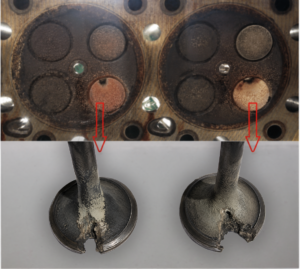
One of the previously observed patterns is the dangerous vanadium-to-sodium ratio. A vanadium-to-sodium ratio of 3:1 or higher is considered critical, as it can lead to the formation of low-melting-point deposits at elevated combustion temperatures. These deposits accelerate high-temperature corrosion, particularly on exhaust valve plates. Vanadium-based ash deposits can promote corrosion, erosion, and progressive damage to valves and other vital components. Over time, this may result in loss of valve integrity and eventual breakage. For this reason, such a ratio is regarded as dangerous. This phenomenon is commonly associated with certain South American crude sources.
A Live Case: 400 MT Stem, Singapore
GeoServe recently observed this pattern in one of its bunker deliveries. In a 600 MT bunker stem delivered in Singapore, the subject pattern was identified. Vanadium and sodium were reported at 319 ppm and 83 ppm, respectively, while ash was recorded at 0.11%. As expected, this pattern was observed in the HSFO grade supplied. During the pre-IMO 2020 era, such trends were frequently encountered and often resulted in serious operational issues, including exhaust valve breakage, turbocharger surging, fouling, and related machinery concerns.
In the post-IMO 2020 era, however, such cases have become rare. It is therefore unusual to observe this pattern in Singapore. Since bunker cargoes are traditionally sourced from the Middle East and produced in Singapore, the current geopolitical disruptions have led to procurement from alternate regions, including Africa. As a result, patterns that were previously uncommon are beginning to reappear. GeoServe’ s bunker quality team identified this pattern and took appropriate measures to protect the client’s interests.
For further details on this case and a brief explanation of the consequences of this dangerous ratio, please contact GeoServe.
Bunker procurement is not merely a matter of price. It also requires proper technical guidance and value-added support to protect the client’s interests. GeoServe is not only able to procure bunkers globally, but also provide additional services including claims support, technical guidance, and operational assistance.
We’d like to hear from you!
Contact us today and one of our experienced team members will connect with you soon.
Stay Connected
Subscribe to our newsletter to get company updates on your mailbox.